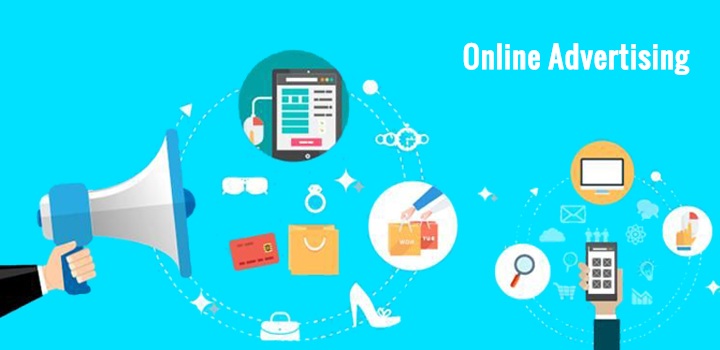
In a crowded marketplace, the survival of an enterprise depends on its ability to command attention, establish value, and build enduring customer relationships. Regardless of industry, size, or geographic location, companies face an ongoing challenge from existing rivals and agile new market entrants. In this intensely combative environment, operational excellence and product quality alone are no longer guarantees of commercial success. A superior product cannot succeed if its target audience remains unaware of its existence or fails to understand its unique value proposition.
Advertising serves as the primary strategic instrument that enables a business to cut through market noise, assert its presence, and maintain a competitive edge. Far from being a mere operational expense, structured advertising is a vital capital investment. It drives customer acquisition, defends established market share, fosters brand loyalty, and fuels long-term organizational scaling. By utilizing sophisticated promotional methodologies, businesses can proactively shape consumer perceptions and secure a sustainable economic foothold.
Establishing Market Presence and Brand Awareness
The most fundamental objective of any advertising campaign is to achieve top of mind awareness within a specific demographic. A consumer cannot purchase a product or service that they do not know exists, making visibility the first line of defense against competitors.
Building Familiarity Through Consistency
Human psychology favors the familiar. In a commercial context, consumers are systematically more likely to select a brand they recognize over an obscure alternative, even if the lesser-known option offers a financial or qualitative advantage. This phenomenon is known as the mere exposure effect.
Consistent advertising across digital, broadcast, and print mediums creates a cumulative psychological imprint. Over time, this repetitive exposure transforms a generic corporate name into a familiar household entity, building a foundation of consumer trust long before a purchasing decision is ever made.
Reaching Fragmented Audiences
The modern media landscape is highly fragmented, with consumers dividing their attention across streaming platforms, social media applications, search engines, and traditional physical publications. This dispersal makes it incredibly easy for an unadvertised business to fade into obscurity.
Strategic advertising allows a company to deploy multi-channel campaigns that meet consumers wherever they choose to spend their time. By maintaining a cohesive message across diverse touchpoints, a business ensures that its competitors do not monopolize public attention within those key channels.
Communicating Value and Differentiation
A crowded market inevitably produces a high volume of similar products and services. Advertising provides the essential platform for a company to articulate why its specific offering is superior to the rest.
Defining the Unique Selling Proposition
Every successful brand possesses a Unique Selling Proposition, which is the specific feature, benefit, or emotional appeal that distinguishes it from its rivals. Whether a company differentiates itself on the basis of cutting-edge technology, exceptional customer support, sustainable sourcing, or rock-bottom pricing, advertising serves as the megaphone for that message.
Through carefully crafted copy, striking visual storytelling, and precise data presentation, promotional campaigns clarify the exact advantages of choosing one company over another, effectively steering consumers away from generic alternatives.
Educating the Consumer Base
Innovation often introduces complex concepts that the public may not immediately comprehend. When a business launches an entirely new category of product or implements an advanced technological feature, it must first close the consumer knowledge gap.
Advertising serves an educational function, translating sophisticated technical details into relatable, benefit-driven narratives. By explaining exactly how a product solves a specific problem or optimizes daily workflows, a company can stimulate immediate demand and capture an early, dominant position in a newly emerging sector.
Defending and Expanding Market Share
Competitive positioning is never static. Established corporations must constantly protect their territory from aggressive newcomers, while growing startups must actively chip away at the dominance of industry giants.
Defensive Advertising Counterstrategies
For market leaders, advertising is an essential defensive shield. When a new competitor launches a heavily funded product line or attempts to undercut prices, established brands respond by increasing their advertising output.
This counter-advertising reminds existing customers of the brand’s heritage, proven reliability, and superior quality, reinforcing their commitment and preventing them from straying to a cheaper, unverified alternative. It acts as an economic barrier to entry, making it highly expensive for new rivals to poach market share.
Aggressive Penetration Strategies
For small to mid-sized enterprises, targeted advertising is the ultimate equalizer. Digital marketing platforms allow smaller businesses to compete directly with massive corporations by leveraging hyper-specific audience targeting.
Instead of spending millions on broad television broadcasts, an agile company can direct its budget exclusively toward a highly defined niche group that is currently underserved by major brands. This precision allows smaller enterprises to capture highly profitable market segments, build a localized stronghold, and systematically expand their operational footprint.
Maximizing Data Insights and Personalization
The transition from traditional print and broadcast advertising to advanced digital platforms has given modern businesses an unprecedented competitive advantage: real-time consumer data.
Precision Demographic Targeting
Contemporary advertising platforms allow companies to transcend generic geographic targeting. Current digital infrastructure allows marketing teams to filter audiences based on real-time search intent, historical purchasing patterns, specific professional titles, and nuanced personal interests.
This level of precision ensures that marketing budgets are spent efficiently, delivering highly relevant messages directly to individuals who exhibit an active readiness to buy. This data optimization maximizes return on advertising spend, allowing a business to extract maximum revenue from every dollar invested.
Adaptive Campaign Optimization
Unlike the fixed print ads of the past, modern digital advertising campaigns can be modified instantly based on real-time performance analytics. Marketing specialists can continuously monitor click-through rates, conversion metrics, and engagement levels via unified dashboards.
If an ad variation fails to resonate with the target audience, it can be paused or altered within minutes. This continuous testing and optimization cycle enables a business to remain incredibly agile, shifting its messaging to match sudden changes in consumer sentiment far faster than non-advertising competitors.
Frequently Asked Questions
What is the precise economic difference between advertising and marketing?
Marketing is a broad, umbrella term that encompasses the entire strategic process of bringing a product or service to market, including market research, product development, distribution channels, pricing models, and public relations. Advertising is a specific, paid component of marketing that involves creating and placing highly targeted, persuasive messages across public communication channels to generate direct interest and conversions.
How does advertising affect the overall retail price of a consumer product?
While critics often argue that heavy advertising inflation raises the retail cost of a product due to added corporate overhead, economic reality is frequently the opposite. Successful advertising stimulates mass consumer demand, which allows a manufacturer to significantly scale up production. This mass manufacturing triggers economies of scale, drastically reducing the cost of production per individual unit. In many instances, these manufacturing savings are passed back to the public, lowering the final retail price below what an unadvertised, low-volume product could achieve.
Why do companies continue to advertise heavily during major economic recessions?
History shows that companies that maintain or increase their advertising spend during economic downturns experience significantly higher sales growth both during the recession and throughout the subsequent recovery phase. When competitors panic and slash their marketing budgets, the public advertising space becomes far less crowded and much cheaper. A business that continues to advertise gains a higher share of voice, projects an image of corporate stability, and easily captures vulnerable market share from retreating rivals.
What is the role of remarketing in a competitive digital advertising strategy?
Remarketing, also known as retargeting, is a digital advertising technique that serves targeted ads specifically to individuals who have previously visited a company’s website or interacted with its digital profile without completing a purchase. This tactic is highly competitive because it focuses resources on warm leads who are already familiar with the brand, maintaining brand visibility as those consumers compare alternative options across the internet and guiding them back to complete the transaction.
How does institutional advertising differ from direct response advertising?
Direct response advertising is designed to evoke an immediate, quantifiable action from the consumer, such as clicking a link, purchasing a specific product, or signing up for a newsletter right away. Institutional advertising, often called brand advertising, focuses on long-term image building. It highlights a corporation’s core values, community contributions, and overall industry leadership, aiming to build long-term institutional prestige and consumer trust rather than driving an immediate transactional sale.
Can a business be competitive using only organic marketing without paid advertising?
While organic marketing strategies like search engine optimization and word of mouth are valuable for building long-term community, relying on them exclusively limits a company’s competitive growth. Organic reach is highly vulnerable to sudden algorithmic changes on social media platforms, and it takes considerable time to generate momentum. Paid advertising provides instantaneous market reach, predictable scaling metrics, and absolute control over who views your message, making it a mandatory component for rapid market expansion.
What metrics should a business monitor to verify if its advertising remains competitive?
To evaluate the competitive health of an advertising campaign, a business should track Customer Acquisition Cost, Return on Ad Spend, Click-Through Rate, and Conversion Rate. Additionally, monitoring Share of Voice reveals the exact percentage of total industry advertising exposure your brand commands compared to your top rivals. Analyzing these data points allows a company to verify that it is acquiring customers profitably and successfully defending its market position.