

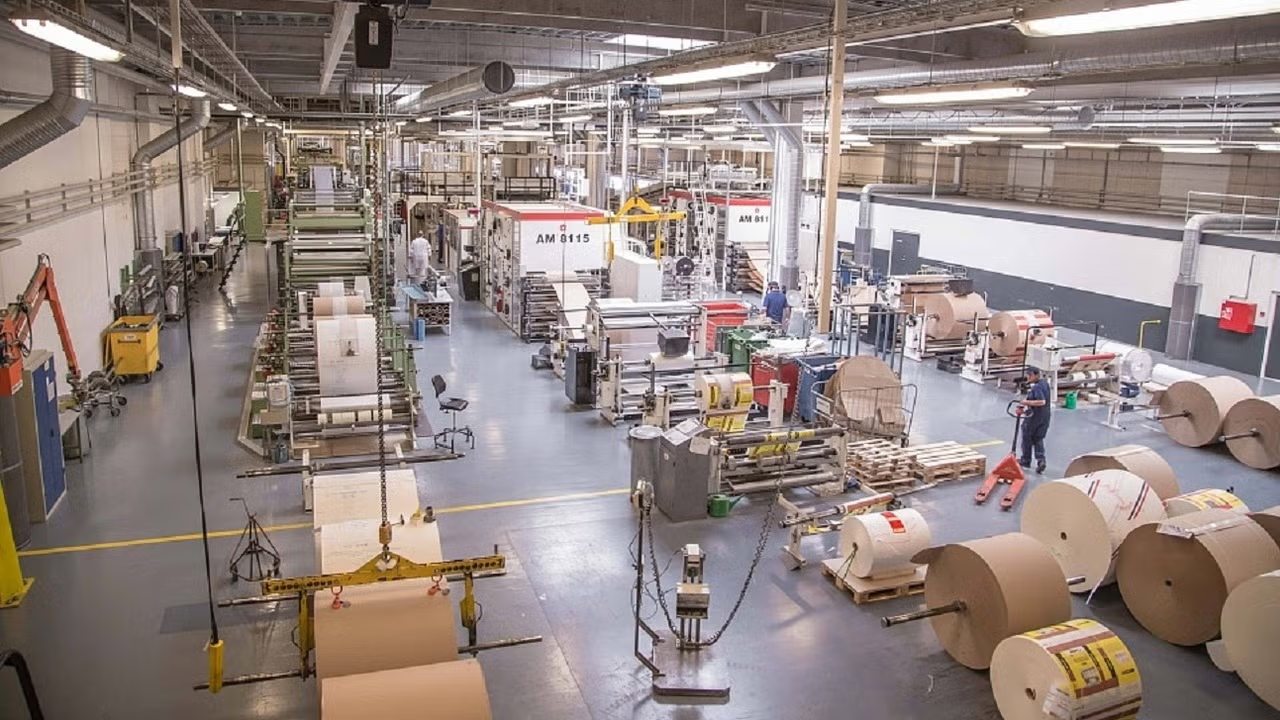
Packaging sits at the intersection of manufacturing, logistics, branding and customer experience, so buying decisions can affect far more than the cost of a box or sheet. Businesses reviewing industrial paper and packaging supply should consider material performance, consistency, print requirements, storage and how reliably the supplier can support changing production volumes.
Start With What The Packaging Has To Survive
The right material depends on what happens to the product after packing. A carton used for local distribution may face very different conditions from packaging moving through export supply chains, humid warehouses or repeated handling between logistics centres.
Weight, stacking pressure, moisture exposure and transport method can all influence the specification. If the material is too light, it may deform or fail. If it is unnecessarily heavy, the business may be paying for strength it does not need while also increasing shipping weight.
Packaging teams should therefore work backwards from the supply chain. How will the product be stored? How many times will it be handled? Will cartons be stacked for long periods? Does the outer packaging need to remain presentable when it reaches a retail customer? These questions help determine what performance is actually required.
Production Consistency Matters
Paper and packaging materials are often fed through printing, cutting, folding, laminating and packing equipment. Small variations in thickness, moisture or surface quality can therefore create problems far beyond the material itself.
An inconsistent batch can lead to machine adjustments, poor print results or increased waste. In high-volume operations, even a small rise in rejects can have a significant impact on productivity. This is why repeatability between deliveries is so important.
Buyers should agree specifications clearly and understand how consistency is managed. If a particular surface finish, weight or strength is critical to production, that requirement needs to be documented rather than assumed.
Reliable material allows the production line to operate with fewer surprises, which can be worth considerably more than a small saving on unit cost.
Print And Presentation Need Early Attention
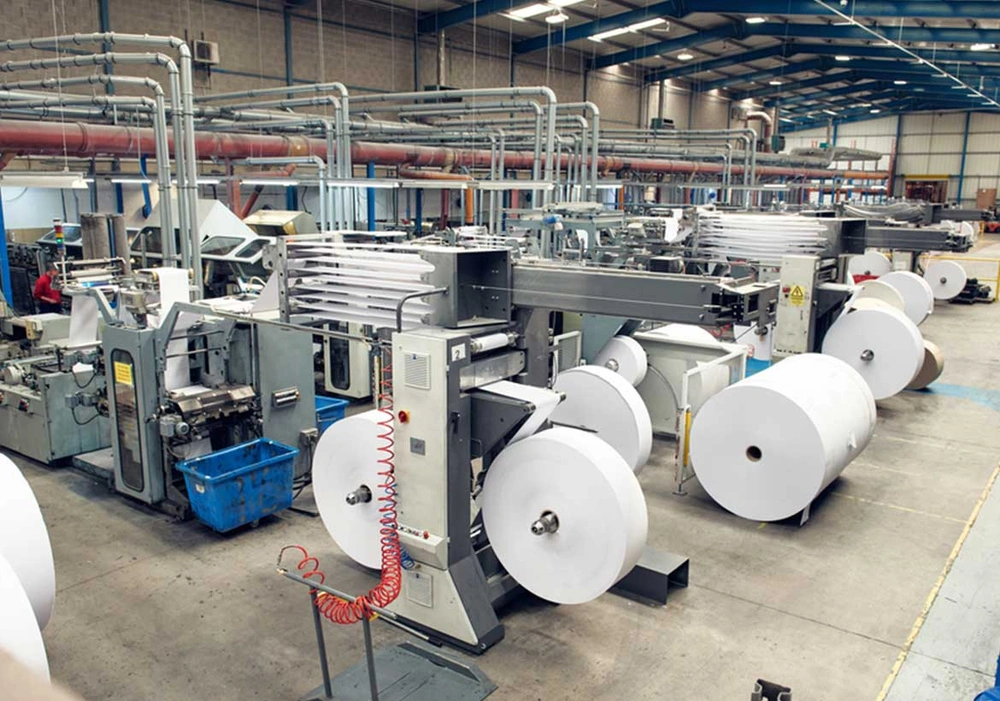
Packaging often has two jobs: protecting the product and communicating the brand. If printing, coating or finishing is involved, the paper specification needs to support those processes properly.
Colour reproduction, ink absorption and surface smoothness can all influence how packaging looks once printed. A material that performs well structurally may still be unsuitable for a premium retail pack if the finish does not meet brand expectations.
Samples and production trials can be valuable before committing to large volumes. They allow the business to check printing, converting and assembly under real conditions rather than discovering an issue after the full order has arrived.
The more visible the packaging is to the end customer, the more important these details become.
Supply Reliability Protects Production
Packaging is often a relatively low-cost component compared with the product inside it, yet a shortage can still stop finished goods from leaving the factory. This makes supply continuity important.
Buyers should understand realistic lead times, minimum quantities and how the supplier handles changes in demand. Seasonal peaks, promotions or new product launches may require additional volume at relatively short notice.
A strong supply arrangement balances cost, quality and continuity. When material performance, production needs and availability are considered together, packaging procurement becomes much more than buying paper. It becomes part of keeping the wider operation moving.