

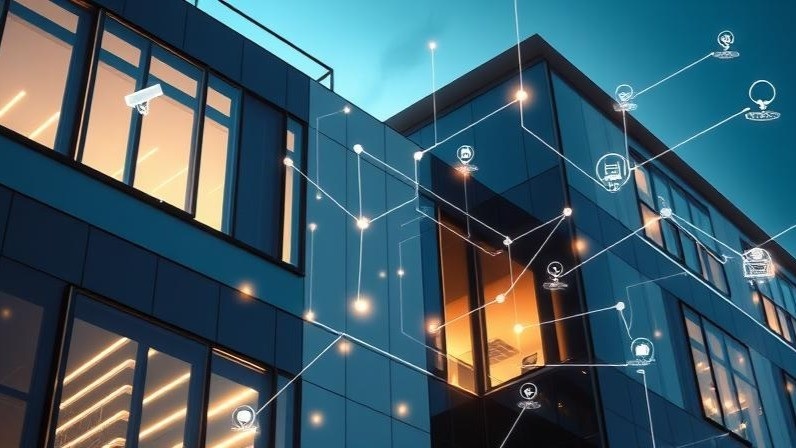
Modern buildings are evolving. They are becoming smarter, more efficient, and better suited to the needs of their occupants. This transformation is driven by the integration of various building management systems into a single, cohesive platform. In a dynamic environment like Thailand, where urban development is rapid and expectations for quality of life are high, this approach offers significant advantages. By combining functions like climate control, lighting, and security, property owners can create spaces that are both safer and more pleasant to live and work in.
The concept revolves around creating a central nervous system for a building. Instead of having separate controls for heating, ventilation, and air conditioning (HVAC), access control, and surveillance, these components are linked together. This allows them to communicate and operate in harmony. For instance, a security system can be programmed to adjust the lighting and air conditioning in a specific zone when it detects someone entering a room. This seamless operation is at the heart of modern property management, and many new developments are adopting integrated security and automation solutions to stand out.
This unified approach streamlines building operations considerably. Facility managers no longer need to monitor multiple disconnected systems. Instead, they can view and manage everything from a single interface. This simplifies maintenance, improves response times to incidents, and can lead to significant energy savings. For residential properties, from condominiums in Bangkok to villas in Phuket, this means a higher standard of living. For commercial buildings, it translates to lower operational costs and a more productive environment for tenants.
In Thailand’s tropical climate, energy efficiency is a major concern. An integrated system can make a substantial difference. For example, sensors can detect when a room is unoccupied and automatically adjust the air conditioning to a more economical setting. Window blinds can be programmed to close during the hottest part of the day to reduce solar heat gain, lessening the load on the cooling system. This intelligent management not only reduces electricity bills but also contributes to a building’s overall sustainability.
From a security perspective, integration provides a more robust and responsive framework. When a fire alarm is triggered, the system can automatically unlock emergency exits, shut down the ventilation system to prevent smoke from spreading, and illuminate escape routes. Access control systems can be linked to CCTV cameras, so that any attempt at unauthorised entry immediately brings up the relevant video feed for security staff to review. This proactive and coordinated response greatly improves the safety of everyone inside the building.
Ultimately, integrated building systems offer a sophisticated way to manage modern properties. They provide a foundation for creating environments that are safer, more comfortable, and more efficient. As technology continues to advance, the capabilities of these systems will only grow, further improving the way we interact with the buildings around us.